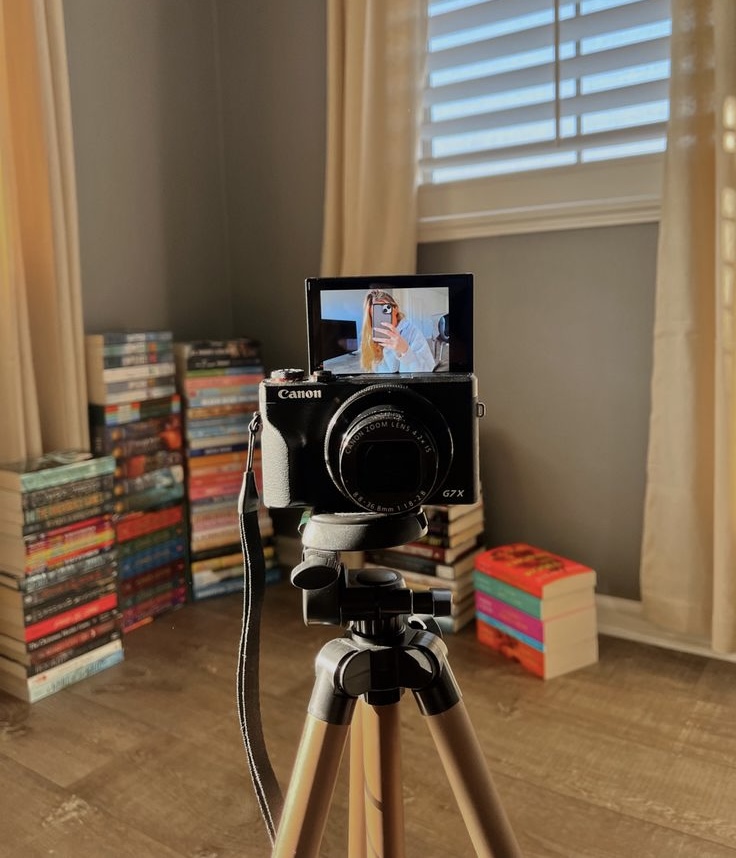
Yet another blog post on how relentless social media can be. No, I haven’t run it into the ground—it’s called finding your niche. I’ve previously discussed my gripes with influencers in another blog post, read here. TLDR: It’s about them appearing relatable and falsifying a connection with their audience in a marketing effort to urge us to purchase sponsored products. This time around, I wanted to hone in on the emotional aspect of watching lifestyle content creators specifically, and what motivates us to consume this type of content. The harm lies in how lifestyle content provides only a one-sided imitation of friendship, which corresponds with greater insecurity on our end about forming reciprocated relationships in the real world.
First, when I mention lifestyle influencers, I’m referring to creators whose content revolves around themselves and what’s unfolding in their day-to-day lives. Although I once denounced this category of content, I have a confession. As much as I try to resist, I am guilty of searching up old influencers I used to follow and catching up with them, namely by watching their YouTube vlogs. I noticed that this behavior would coincide with a day when I didn’t talk to many people, if anyone at all. This led to the realization that the often unconscious reason we watch lifestyle content is because these influencers serve as an imagined connection during lonely times. Watching these vloggers feels soothing, as if you’re actually face-to-face with someone.
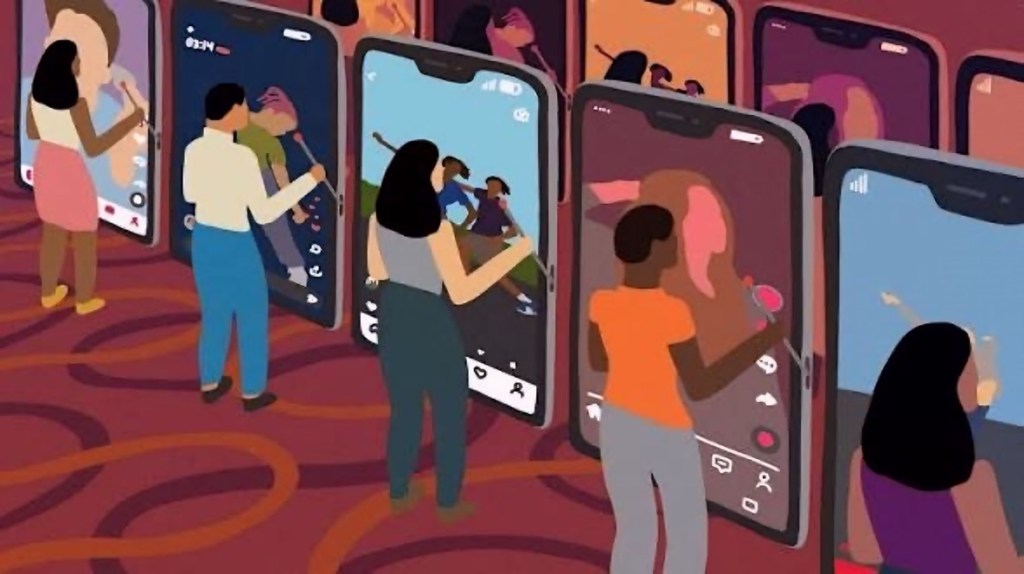
There’s a rationale for why we find solace in watching lifestyle content. I have since learned that the brain does not fully distinguish between a simulated social presence and reciprocated interaction. A simulated social presence is created through seeing faces and hearing voices online. Social media personas create the illusion that someone is physically present with us. Reciprocal interactions refer to two-way exchanges between individuals. We believe we are engaging with a real person when we’re in a digital space, even when there’s technically no one on the other end. Although vloggers are not responding to us, the brain interprets this perceived presence as meeting our socializing needs. It’s not difficult to see how this could give rise to poor outcomes.
Aside from simulated social presence, one problematic facet of parasocial relationships I didn’t examine in my last influencer post is their one-sidedness. For instance, someone like me can watch a YouTuber for hours, know what’s going on in their life, feel close to them…and offer them nothing substantial in return. You don’t have to keep the conversation going. There’s no possibility of them rejecting you, no making plans to hang out with them, no risk of an awkward moment, and no vulnerability required on your part. All the while, you don’t have to do much to be privy to personal details about someone’s life and feel like you have a friend. You reap the benefits of companionship without actually putting in sustained effort.
A lack of reciprocated interactions and one-sided acquaintances does not represent how friendship works in real life. With a good majority of individuals spending large amounts of time on social media, it’s fair to say we may see more faces online than we do in person each day. Our principal method of mingling is mimicked through a screen; the side effects should become glaring.
This conduct is shaping real-life interactions. Among many members of Gen Z and beyond, there’s been a notable increase in anxiety about our ability to socialize and connect. The rise of lifestyle content has conditioned these behaviors. We’ve fostered attachments to a myriad of creators over the years. Several of us formed a daily routine of checking in on these influencers, a habit that’s tough to break out of. As a result, reciprocated in-person exchanges feel much more arduous, and we avoid them. However, this is precisely how social skills are acquired, through practice. Parasocial relationships subject us to far less discomfort, thereby decreasing proficiency in people skills.
To be clear, I cannot claim that watching lifestyle content is directly responsible for atrophied social skills, or at least the sole cause. Here’s what I can say: It’s a contributing factor in people feeling less pressure to create reciprocal bonds and to develop their interpersonal skills. People are convinced they have a connection with lifestyle influencers, which makes them feel less confident and less inclined to pursue genuine connections.
All of this raises the question: Is watching someone’s Vlogmas, “Day in the Life, or “Get Ready With Me” really that morally reprehensible? On the surface, it seems relatively innocuous, a common diversion. Even if I can’t prove any concrete repercussions from watching lifestyle content, I don’t see any advantage gained from watching someone post highly mundane aspects of their life. For viewers, what merit is there to watching a clothing haul, a time-lapse of someone cleaning their home, or someone preparing their everyday breakfast? This class of influencers may overestimate the entertainment value of their uploads, but I digress.
You may be wondering why I decided to single out lifestyle content creators. There is an important distinction to be made between low-effort content and content with an actual purpose. If you’re going to spend any time on social media, I would watch someone attempting to create something worthy, and anyone whose lifestyle you can’t compare negatively to yours. When you don’t find yourself focusing on the individual, but instead on the vital work they’re doing. Ultimately, it’s up to you to judge what presents comprehensive benefits that align with your interests.
Lifestyle content fabricates social intimacy through lopsided friendships that discourage us from chasing true, reciprocal relationships. Yes, I understand why we engage with such content. Following these influencers may feel like relief from loneliness. It’s a comfortable, low-pressure way of feeling like you have a friend when you may be socially deprived in real life. Think long and hard about what void this content is filling. I advise shifting the priority to real-life interactions, no matter how challenging and intimidating they may seem. It’s best to stop watching strangers’ lives who have no significant positive impact on us. Parasocial relationships do not combat loneliness—only real world connection does.



 Emily Writes